
The Emotional Skill That Predicts Success Better Than IQ (Most People Never Train It)
Decades of research point to one trainable capacity that outperforms raw intelligence in careers and relationships. Almost nobody knows their score.
Two people join a company in the same month with the same credentials. Ten years later, one leads a division and one leads a grudge. Talk to their colleagues and nobody mentions intelligence, both were plenty smart. What they mention is something else: one of them could read a room, recover from setbacks, deliver hard news without leaving wreckage, and somehow always knew when to push and when to wait.
That "something else" has a name, a research literature, and, unlike IQ, a training curve. Emotional intelligence, the capacity to perceive, understand, use, and regulate emotions, in yourself and others, keeps showing up in organizational research as a distinctive predictor of leadership emergence, relationship quality, and career trajectory, especially in roles where the work is done with and through people, which is to say, almost all of them.
Why EQ beats IQ where it counts
The finding is not that intelligence is irrelevant. IQ gets you into the game: it predicts academic performance and technical mastery reliably. The catch is range restriction: within any given profession, everyone already cleared the cognitive bar. Among people of similar smarts, cognition stops differentiating, and the emotional capacities take over as the deciding variables.
Think about what actually derails careers and marriages. It is almost never insufficient reasoning power. It is the flash of temper in the meeting that took two years to live down. The inability to hear feedback without a counterattack. The missed signals from a partner who had been broadcasting unhappiness for months. The decision made in anger, the apology never delivered, the anxiety that read every ambiguous email as an attack. These are not thinking failures. They are perceiving and regulating failures.
The skill nobody was taught
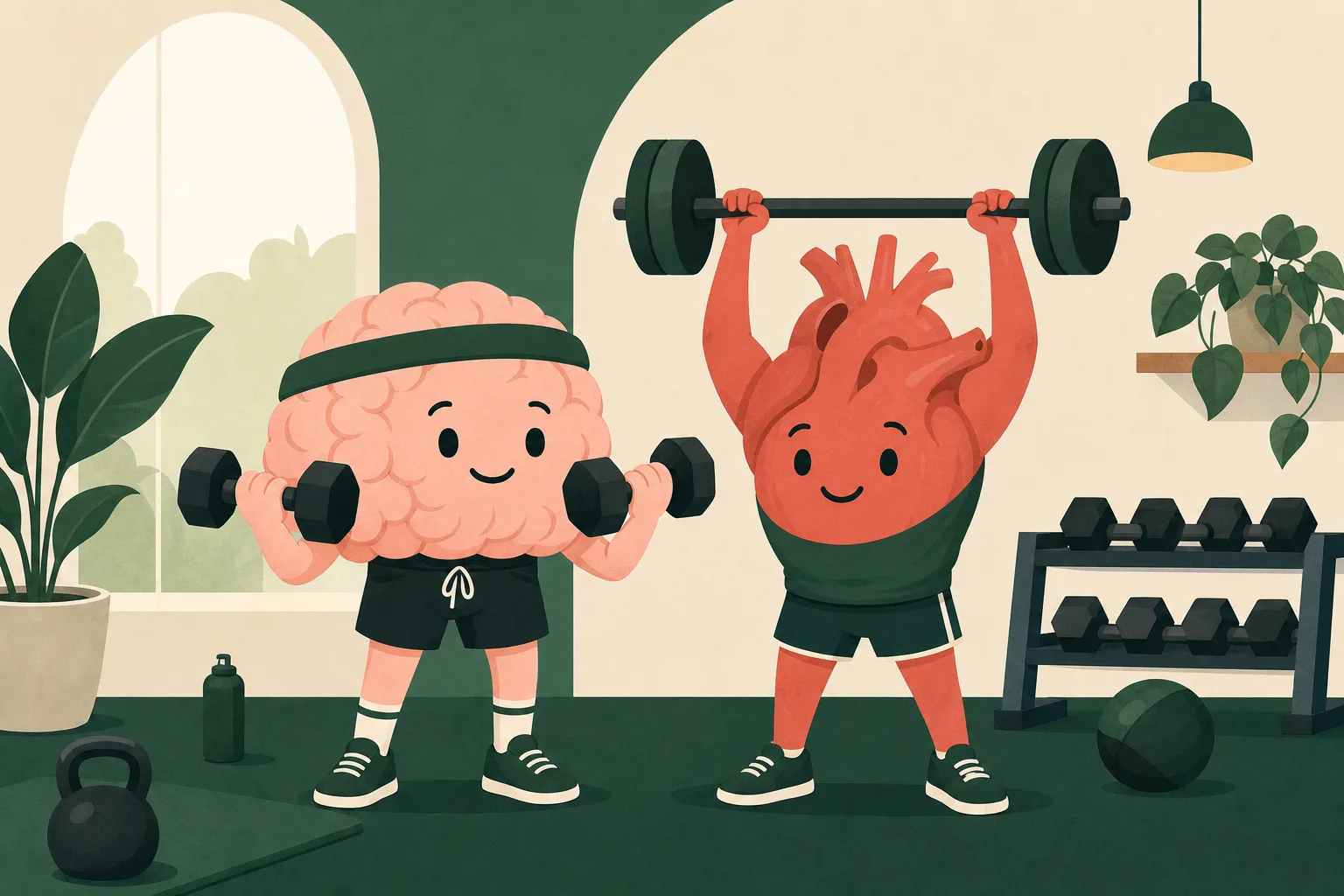
Here is the strange asymmetry: we spend two decades formally training cognitive intelligence, school is essentially an IQ gym, and approximately zero hours training the emotional system, which is then handed the harder job.
Most people's emotional education consists of whatever their childhood home happened to model. If you were lucky, you saw feelings named, conflicts repaired, distress soothed. If you were not, you improvised, and your improvisations, suppress everything, or vent everything, or scan everyone constantly, hardened into an adult style you have never audited.
The audit matters because EQ is not one thing. The research breaks it into distinct components: self-awareness, recognizing what you feel while you feel it; self-regulation, choosing your response instead of being chosen by it; social awareness, reading others accurately; and relationship management, using all of it to handle interactions well. People are lumpy across these. The empath who reads everyone but drowns in their own feelings. The stoic who is regulated but blind. The charmer who reads the room brilliantly and manages himself terribly at midnight.
Trainable, but only with a map
The best news in the literature: unlike IQ, which is famously resistant to improvement, emotional skills respond to deliberate practice. Naming emotions with finer vocabulary measurably improves regulation. Pause practices widen the gap between trigger and response. Perspective-taking exercises sharpen social reading.
But training a lumpy profile with generic exercises is like doing random workouts for an injury you have not located. The self-aware-but-dysregulated person needs completely different practice than the regulated-but-blind one. Progress starts with knowing your specific shape: which components are strong, which are doing quiet damage, and how the combination plays out under stress.
That shape is measurable. A structured EQ assessment scores each component separately and shows you the profile behind your patterns, why you excel with clients and detonate at home, or vice versa.
The colleague who ended up leading the division was not born finished. Somewhere along the way, deliberately or by luck, they trained the skill nobody schedules. The gym is open, and finding out your starting numbers takes about twenty minutes.
Turn insight into a personal profile
See how this pattern shows up in you
Take a related BeliefScope assessment for a structured result and an optional deeper report.
Related Insights
Why Smart People Make Terrible Decisions When They're Upset
Intelligence does not protect you at the exact moments decisions matter most. Here is the hijack mechanism, and the skill that actually interrupts it.

You Can Read the Room. But Can You Read Yourself?
Plenty of socially gifted people are strangers to their own inner state, and it quietly costs them everything. Test the skill nobody sees you use.

The Difference Between Feeling Your Feelings and Drowning in Them
"Feel your feelings" became the era's advice, but nobody explains the line between healthy processing and rumination. The line exists, and it is learnable.