
Anxious, Avoidant, or Just Human? What Your Panic After an Argument Means
Not every post-fight spiral means an insecure attachment style. Here is how to tell normal relationship distress from a pattern that needs your attention.

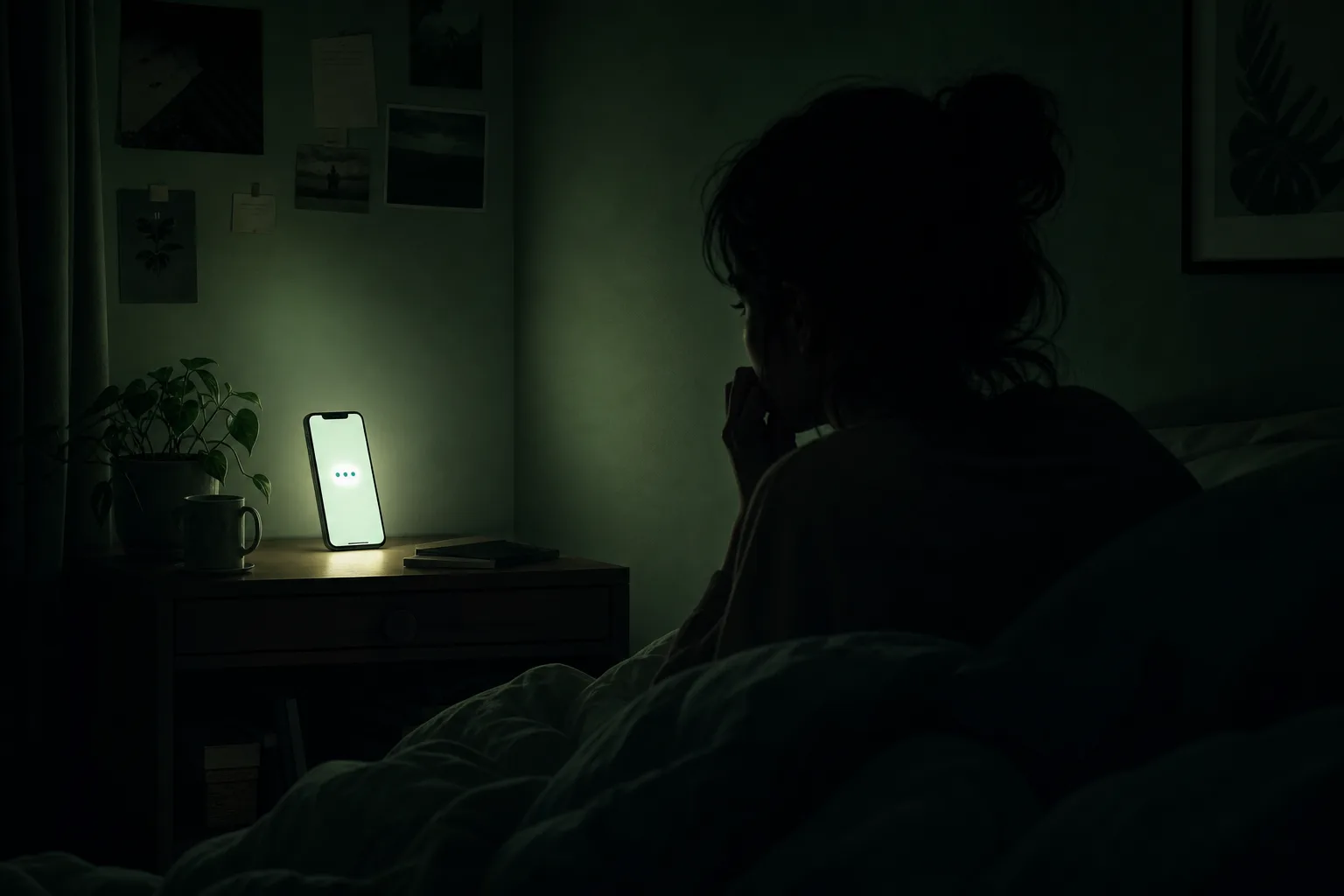
The door closes, or the call ends, and the argument is technically over. Except in your body it has just started: the tight chest, the mental replay on loop, the urge to fix it right now, tonight, or its opposite, the fantasy of never having the conversation again. At some point, spiraling at midnight, the modern question arrives: is this my attachment style? Am I anxious? Avoidant? Broken in a way that has a name?
The internet's answer is always yes, everything is a style, everything is a red flag, every feeling is a diagnosis. The research's answer is more interesting: distress after conflict is universal. What distinguishes attachment patterns is not whether you hurt, but the specific shape of what the hurt makes you do.
What everyone feels
Start with the baseline, because it has been pathologized into invisibility: arguments with someone you love are supposed to feel bad. Conflict with an attachment figure registers, neurologically, as a threat to something survival-level. Elevated heart rate, intrusive replaying, temporary despair about the relationship, a strong desire for resolution, all of this is standard human equipment, not a disorder.
Secure people, the roughly half of the population whose attachment systems run on trust, feel all of it. The difference is what happens next: the distress crests and falls within hours, repair feels available, and the fight, once resolved, actually ends, it does not join a permanent internal archive of evidence.
Where pattern begins
Attachment patterns announce themselves in three places: intensity, duration, and strategy.
The anxious signature is escalation in pursuit of reassurance. Not just wanting to resolve it, being unable to function until it resolves. The follow-up texts sent past a partner's stated need for space. Protest behaviors: testing, provoking, threatening the relationship to force a response. The panic reads as "I love hard," but its engine is a specific belief: connection, once strained, is about to disappear, and only constant contact holds it.
The avoidant signature is the disappearance of need itself. Mid-conflict or after, something shuts: feelings go offline, the partner's distress starts to look like manipulation, and solitude feels less like a preference than an emergency exit. The tell is not enjoying space, everyone needs space, it is that closeness after rupture feels dangerous rather than repairing, so repair keeps not happening.
The mixed signature alternates: pursue, then panic at the response and withdraw, leaving partners perpetually miscalibrated.
The other tell is history. A pattern is a pattern: same shape across different partners, different arguments, different decades. If your post-fight behavior looks completely different with a calm partner than it did with a chaotic one, situation is doing more work than style, and that is genuinely good news.
Why self-diagnosis keeps failing
Here is the problem with sorting this out at midnight with a search bar: attachment states masquerade as each other. Anxious people in a shutdown phase self-diagnose as avoidant. Avoidant people who finally feel longing decide they are anxious. And everyone, in the pit of a bad week, looks insecure to themselves.
Real measurement treats anxiety and avoidance as two separate continuous dimensions, not team jerseys, and scores each against the population. Most people land somewhere moderate, with one lean that intensifies under specific, identifiable conditions. Knowing your actual coordinates, and your partner's, converts midnight panic into something almost mundane: ah, this is the pattern, at this intensity, doing its usual thing. That sentence, available mid-spiral, is worth more than a hundred articles.
The fight will happen again, it is what closeness costs. The panic afterward is just information arriving loudly. Get it measured properly once, and it starts arriving in a language you can read.
Turn insight into a personal profile
See how this pattern shows up in you
Take a related BeliefScope assessment for a structured result and an optional deeper report.
Related Insights
The Text Message Habit That Exposes Your Attachment Style
The three hours between messages is a psychology lab. What you do while waiting for a reply reveals your attachment system with embarrassing accuracy.

Why You Keep Dating the Same Person in Different Bodies
Different names, same ending. The repetition in your love life is not bad luck. It is an attachment pattern running on schedule, and it is measurable.

The Fight You Keep Having Isn't About the Dishes
Recurring arguments have a script, and the topic is never the plot. Learn to see the real collision underneath the fight you have had a hundred times.